5 eCommerce Must-haves: The Visuals That Drive PDP Performance

Written by
Selma Esqalli
27 nov 2025
Table of contents
5 eCommerce Must-haves: The Visuals That Drive PDP Performance
How top brands build high-converting PDPs with visual accuracy, consistency, and scale.
The product detail page (PDP) is your most important visual asset in eCommerce. It’s where decision-making happens and visuals are the first filter.
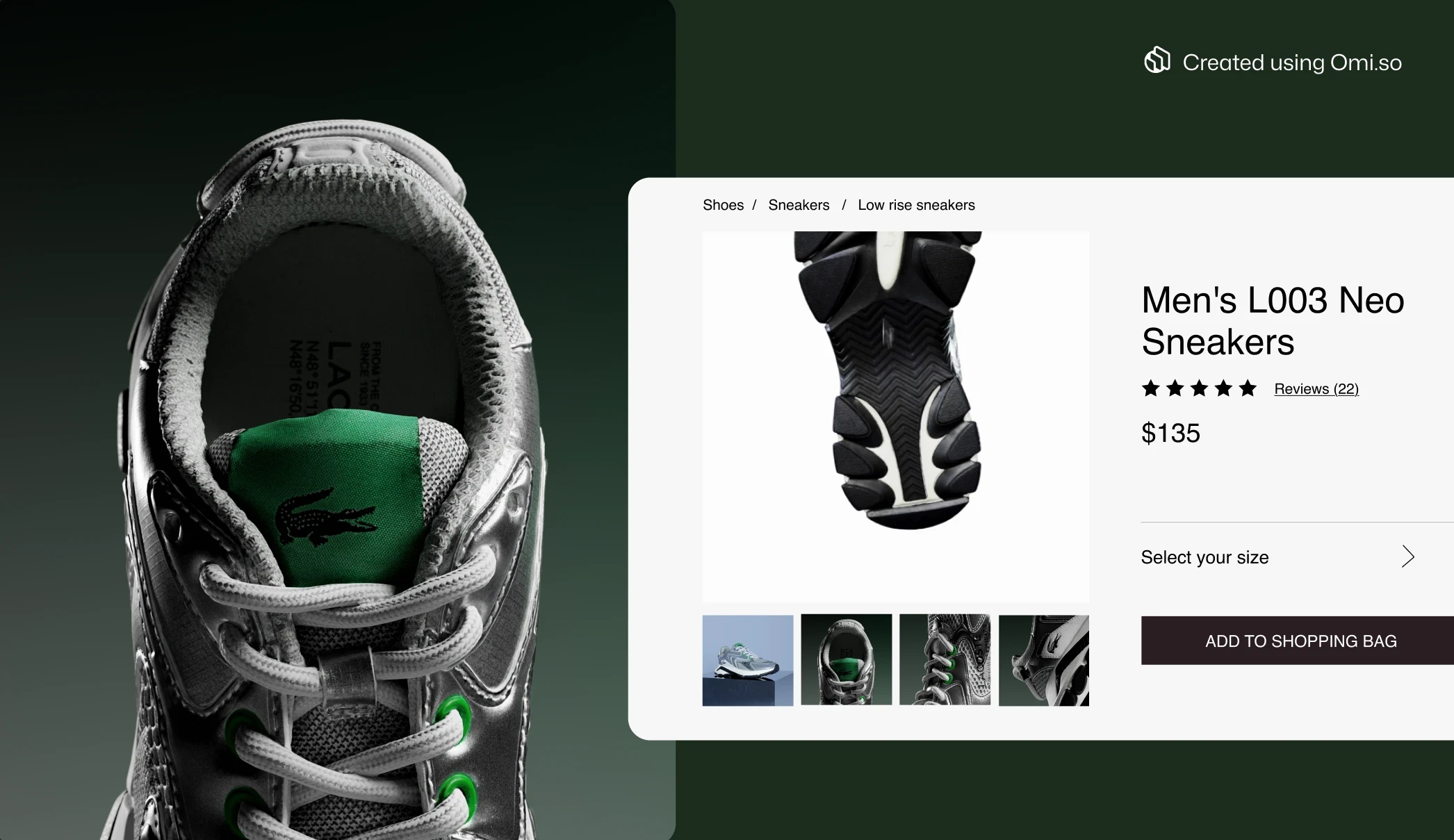
But not all visuals perform equally. Low-resolution packshots, mismatched angles or inconsistent styling cost clicks, trust, and conversion.
Here’s how leading brands build better PDP visuals across every SKU, channel, and market without manual retouching or reshooting.
1. Accurate Packshots Are Non-Negotiable
The hero image is the foundation. Whether your product appears on white, on grey, or on black, accuracy is key:
Razor-sharp, color-true rendering
Material realism (glass, plastic, matte, metallized)
Correct shadows and reflections; no distortion
Full label legibility; no blown-out whites or highlights

2. Contextual Visuals
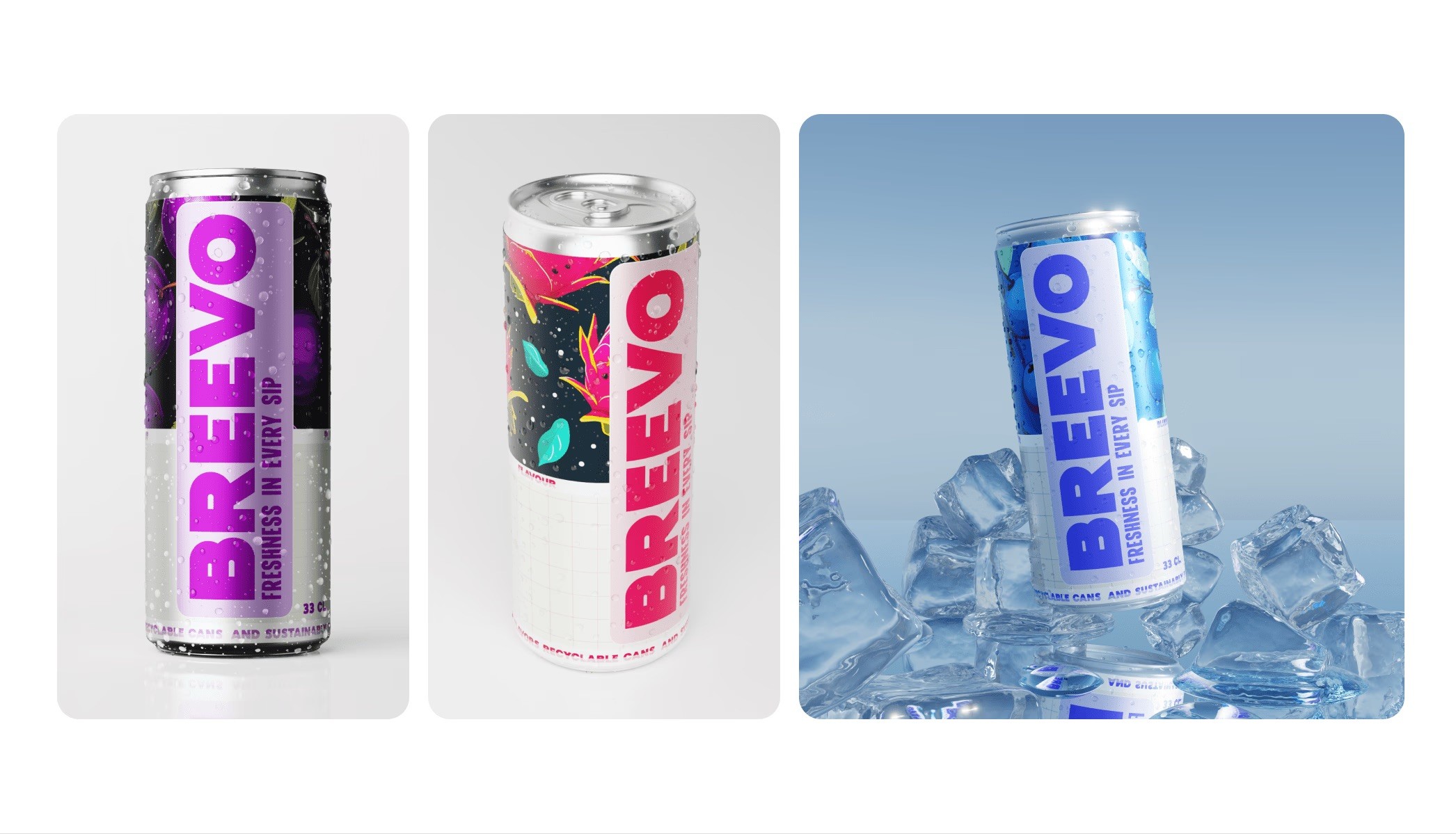
Once the hero is right, context matters. Buyers want to see the product beyond the static packshot.
In action: Show the product in use - held, applied, opened.
Lifestyle (in setting): Place the product in a real-world or brand-specific environment. Clean, natural, elevated - no clutter, no distractions.
Micro-Video Loops: Short 3 - 6 second animations increase time-on-page and perceived value. Examples:
Cap opening
Liquid dropper release
Surface texture reacting to light
These assets drive both clarity and emotion - two core drivers of conversion.
3. Unified Visuals: Ensure Consistency Across Catalog
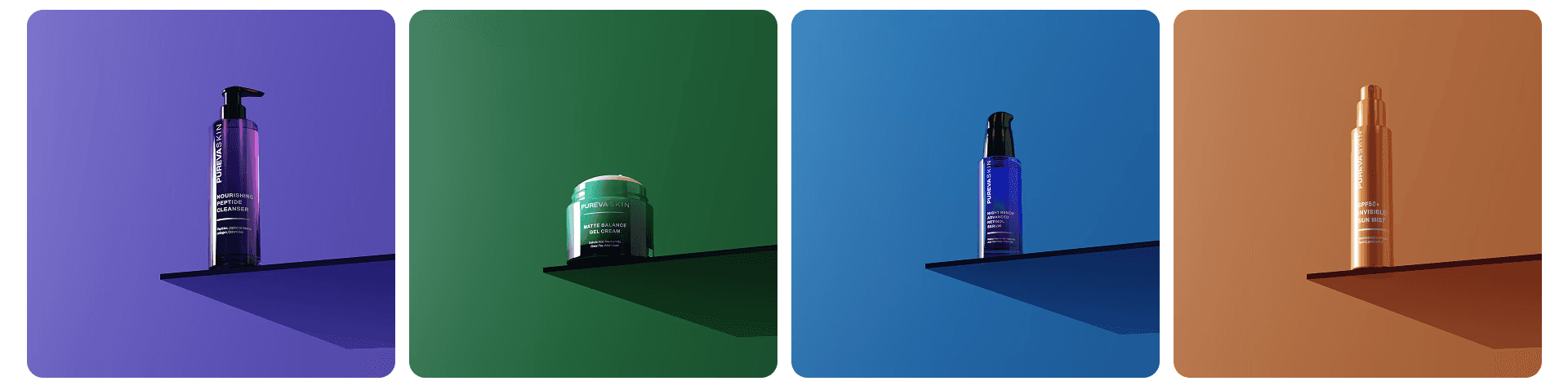
When visuals look different from one product to another, trust drops. Inconsistent lighting, angles, shadows or image styles weaken brand perception.
Visual alignment across your PDPs signals reliability, clarity, and premium positioning.
PDP Challenges | With Omi |
|---|---|
Mixed reflections and shadows Multiple edits for every channel Reshoots for minor tweaks Inability to scale across multiple SKUs | Identical framing, shadows and color One-click exports for all use cases Full visual consistency from day one Instantly export to different marketplace formats (Amazon, Shopify, Sephora…) |
4. Visual Agility Across Variants, Markets, and Claims
Every product line expands: more SKUs, more claims, more regional requirements. This is where static workflows break and where systems win:
Shade ranges, formats, and sizes get accurate visuals
Region-specific packs and labels are localized instantly
Claim badges adapt to language and regulations
Visuals stay consistent : packs, shadows, and crops don’t shift
Marketing teams move faster, without creative compromise
You don’t restart the visual process each time. You update the inputs and everything downstream updates with it.

5. Visual Depth That Drives Confidence
High-performing PDPs don’t stop at a single front-facing image. They show the product with precision - from every angle, in every context, and with every detail.
¾ or Tilt Angles
Reveal shape, depth, and premium detail especially on complex packaging or product structures.
Back of Pack / Secondary Surfaces
Highlight essential information: usage instructions, technical features, compliance, or claims. Crop for clarity especially for mobile.
Scale References
Use hands, silhouettes or familiar objects to communicate true size. This reduces hesitation and returns.
Texture and Material Swatches
For tactile products: creams, metals, fabrics, glass, liquids - show realistic surface textures and finishes. No over-editing. Just true-to-life quality.
3D views & Motion Enhancements
Want to go further? Generate 3D spins or 3–6 second motion loops to bring products to life.
Examples:
Light sweeping across a curved surface
A rotating product view showing every angle
They add dimension and clarity, without adding complexity.
The System Behind It All: One Digital Twin, Infinite Outputs
Everything above - from hero images to textures to localized bundles - becomes scalable when built from one source: a Digital Twin.
A Digital Twin is a true-to-life, photorealistic 3D model of a physical product that mimics its real-world counterpart - not just in form but often in behavior and context.
From one Digital Twin, you can generate:
Accurate packshots on white, grey, or black
Tilt angles, back-of-pack, and texture swatches
Lifestyle and in-use visuals
Micro-loops for animation
Region-specific claims and compliance
Marketplace-ready formats (Amazon, Shopify, DTC, Retail)
No reshoots. No waiting on design. No quality tradeoffs. Just one flexible system that scales with your product, your markets, and your brand.
When Visuals Stop Slowing You Down
A great PDP isn’t just informative. It’s decisive and the visuals are what make it work.
With the right system, you can:
Launch new products faster
Keep up with variant and claim updates
Deliver perfect visuals across markets
Boost conversion with elevated, consistent content
One Digital Twin. Infinite outputs. That’s how top brands maintain high-converting PDPs.
Create Better PDP Visuals in Minutes
About the author