The end of the sample: Why packaging dev is entering its no-ship era

Written by
Rachel Horvelin
12 dic 2025
Table of contents
The end of the sample: Why packaging dev is entering its no-ship era
If you work in packaging development, you probably know the drill:
A dieline is finalized. Artwork is approved. And yet… nothing moves forward until physical samples are shipped, reviewed, marked up, revised, and reshipped - again and again.
Every iteration costs time. Every sample costs money. And every delay risks missing launch windows, channel cutoffs or even retail listings.
But here’s the shift that’s quietly transforming the packaging world:
What if you could validate your pack - without ever shipping a sample?
The sample bottleneck
Let’s call it out: the traditional packaging approval process is a legacy system. It’s still wired for a physical-first world. Every update to your CAD or dieline leads to a new round of samples. A change in copy? Another prototype. A tweak to the foil or finish? Time to start the loop again.
Multiply that by multiple SKUs, multiple markets, and multiple departments - and you’re looking at 6 - 8 week cycles just to approve what, in many cases, was already 95% correct.
It’s not just inefficient. It’s unsustainable.
Enter the Digital Twin
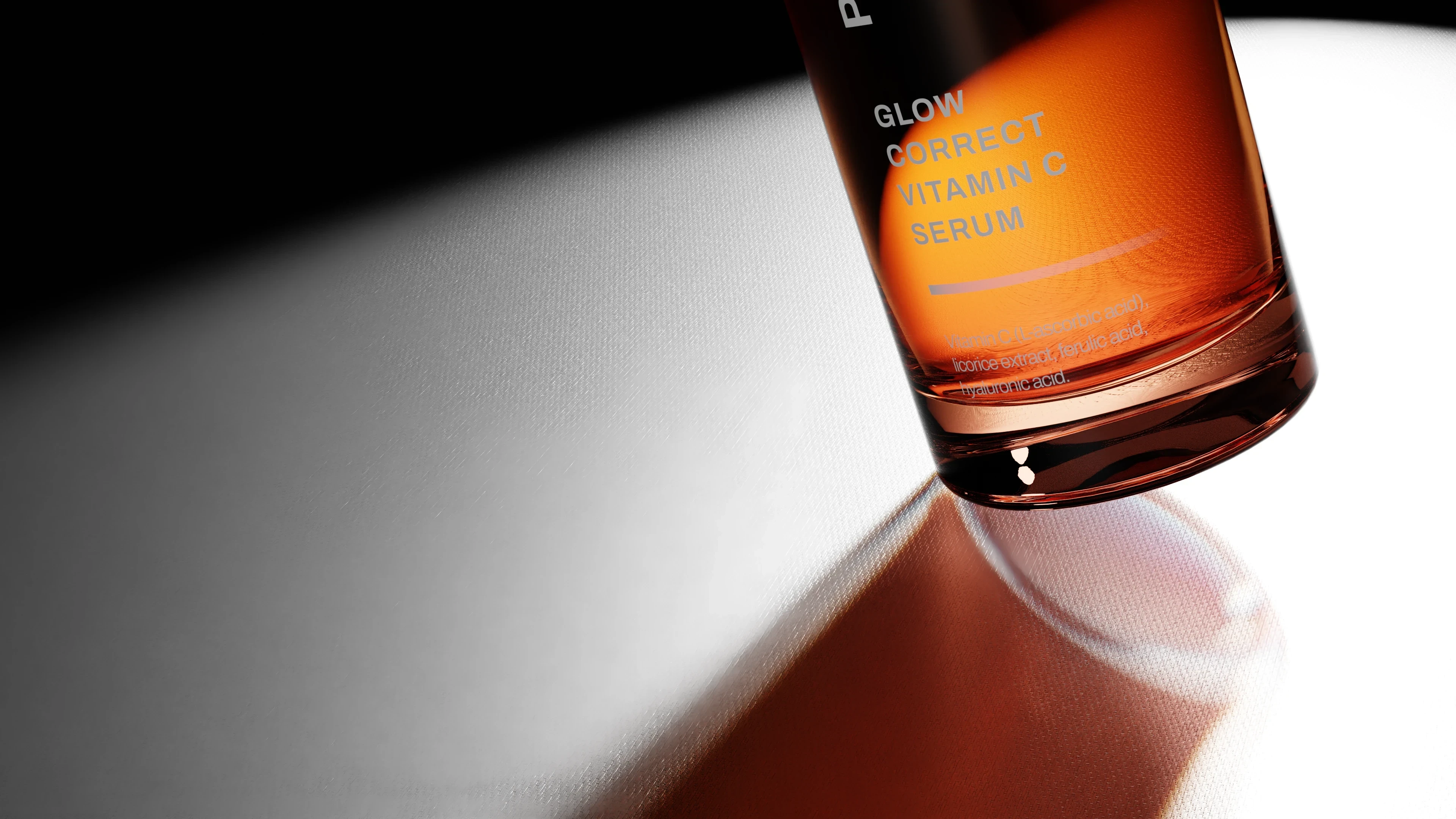
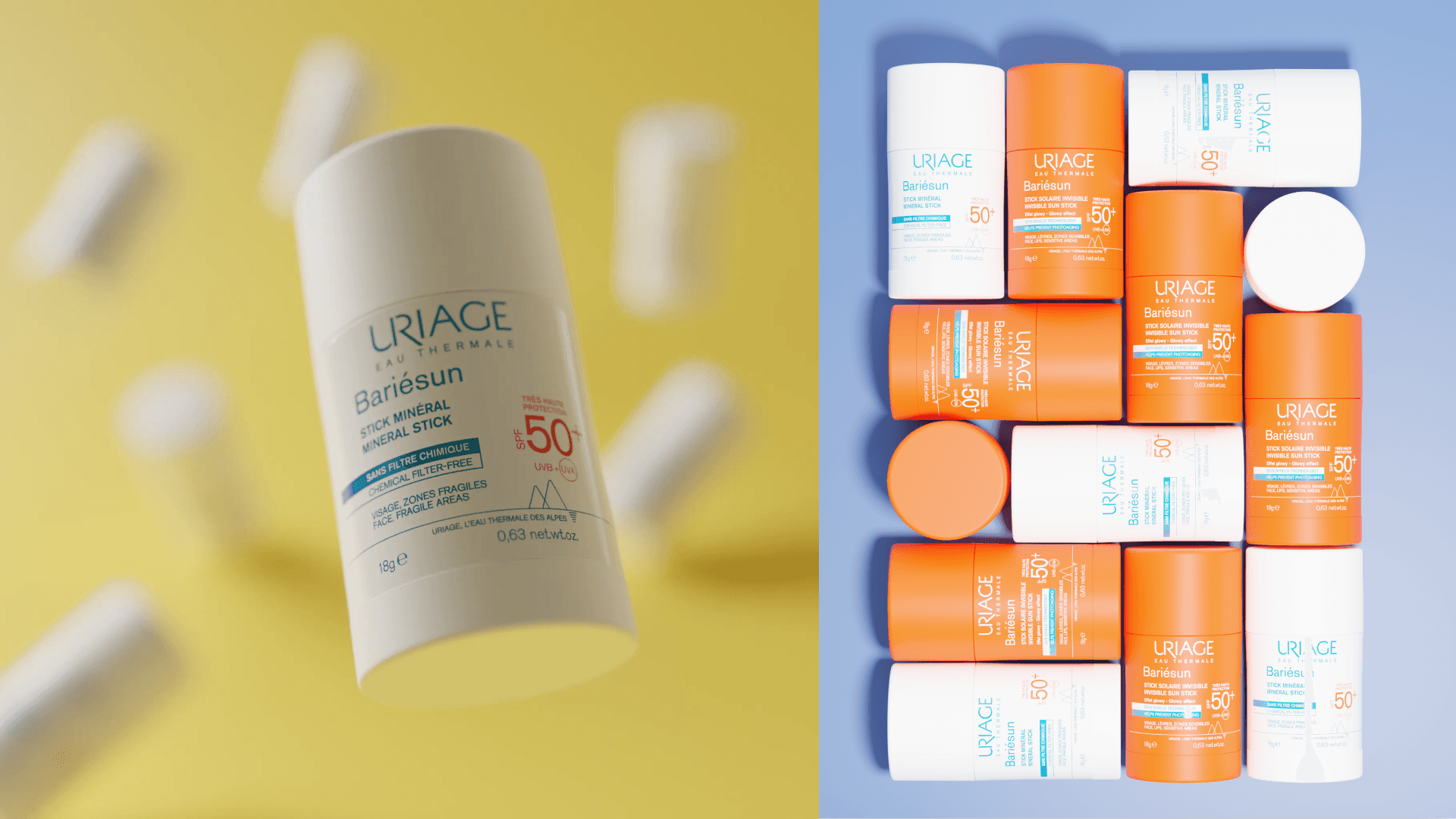
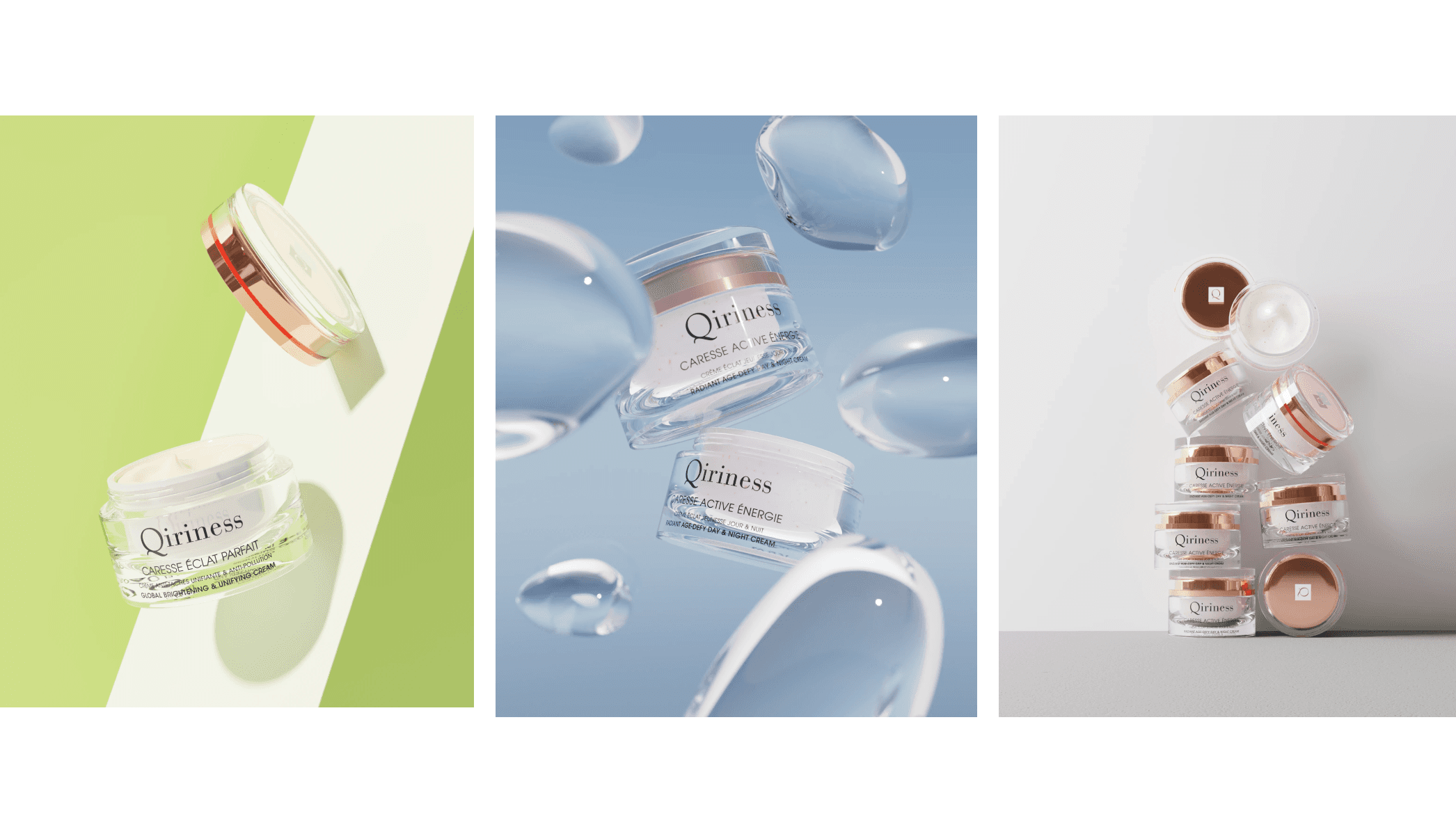
In other industries, Digital Twins have been used for years to simulate everything from engines to factories. Now, packaging has its own version and it’s radically more useful than a 2D render or a PDF mockup.
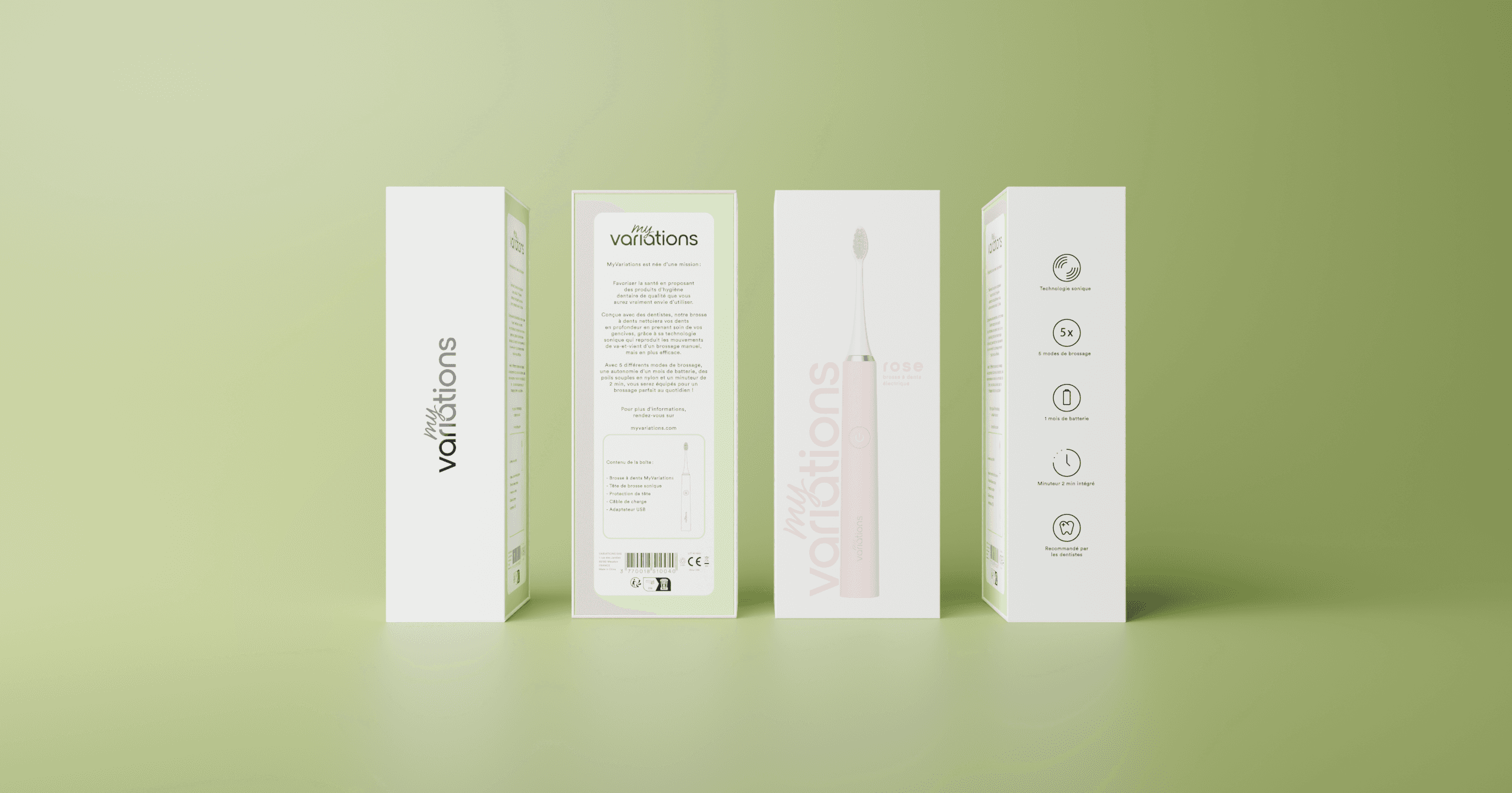
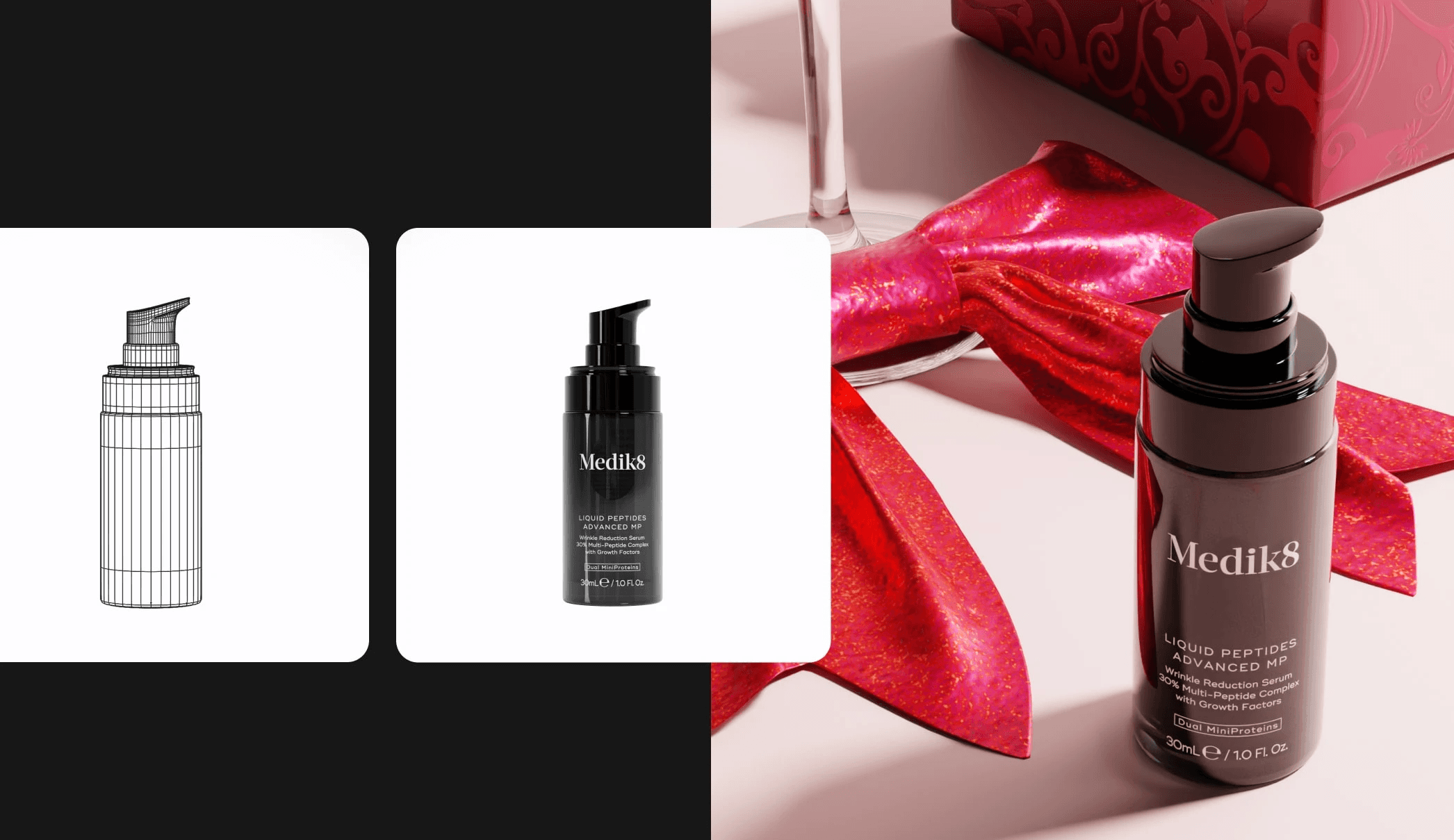
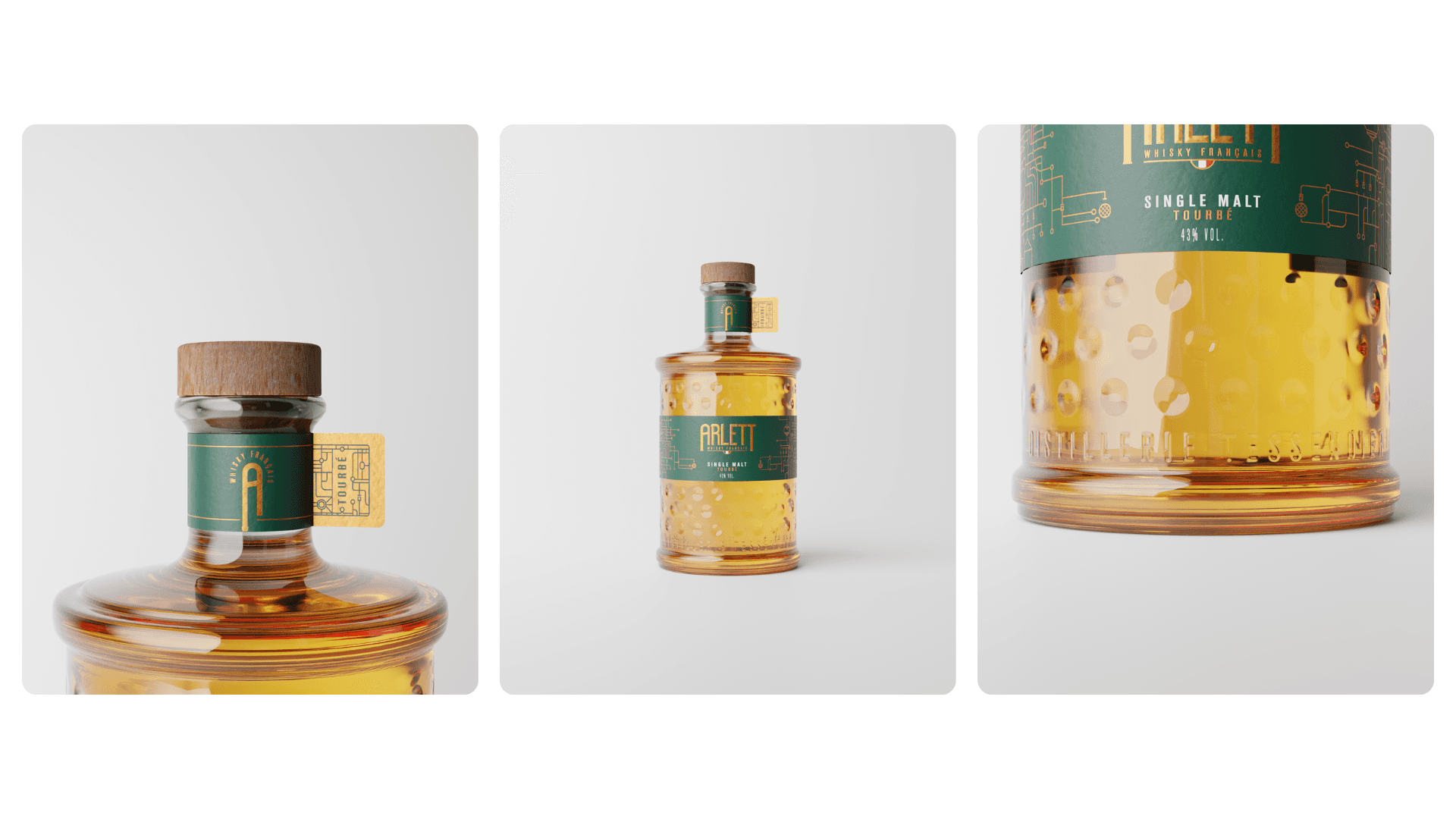
A true 3D Digital Twin is built directly from your product or artwork. It’s not just a pretty picture. It’s production-accurate. That means you can:
Test every finish, from gloss to foil
Rotate and inspect at every angle
Validate colors and materials
Spot label misalignments before they hit the press
Approve updates in a single meeting. All without physical samples and all ready to export in minutes.
Faster iteration
Most packaging workflows still happen in silos: design over here, supply chain over there, marketing in another timezone. That’s where things fall apart. By the time artwork is “approved,” the final file is buried in someone’s desktop folder.
Digital-first tools change that. Platforms like Omi let everyone - packaging dev & creative teams - work from the same real-time Digital Twin. That means no surprises, no version confusion, and no waiting for that one key stakeholder to get back from vacation.
Need to test a new colorway? Done in minutes.
Need 20 visuals for Amazon and Sephora? You can export them instantly.
Need to update the label for a new region? You don’t have to start again.
Skip the samples
Let’s be clear: physical prototyping isn’t going away. There’s always a time to hold, feel, and review a real object in hand. But what’s shifting is when you need it.
With a Digital Twin, you can defer physical sampling until it's essential and eliminate dozens of unnecessary iterations along the way.
That means fewer delays, faster launches, and less CO₂ in your shipping pipeline. Not to mention, your team will finally have the time to focus on innovation instead of chasing sample shipments across continents.
Pack dev finally has the tools it deserves
The digital transformation of packaging isn’t theoretical anymore. It’s happening - one dieline, one artwork file, one validated Digital Twin at a time.
So the next time someone says, “We’ll need to see a sample first,” you can say, “Actually, I’ve already got one. Want to see it in 3D?”
Ready to say au revoir to samples?
About the author