Beyond the Lens: How Digital Twins Are Transforming Product Storytelling

Written by
Rachel Horvelin
Nov 26, 2025
Table of contents
Beyond the Lens: How Digital Twins Are Transforming Product Storytelling
Inside the shift from static product shots to dynamic, intelligent content and what it means for the future of brand experience.
Common misconception
For decades, the studio photograph has been the gold standard for product visual creation.
Sharp. Styled. Studio-lit. The final output of days, sometimes weeks, of creative direction, set building, and post-production. It’s long been assumed that there’s no better way to showcase a product than to physically place it in front of a camera.
But what if that assumption is no longer true?
What if the image you’re seeing was never photographed at all?
The shift to Digital Twins
We’re witnessing a quiet revolution - a foundational change in how products are imagined, experienced, and marketed.
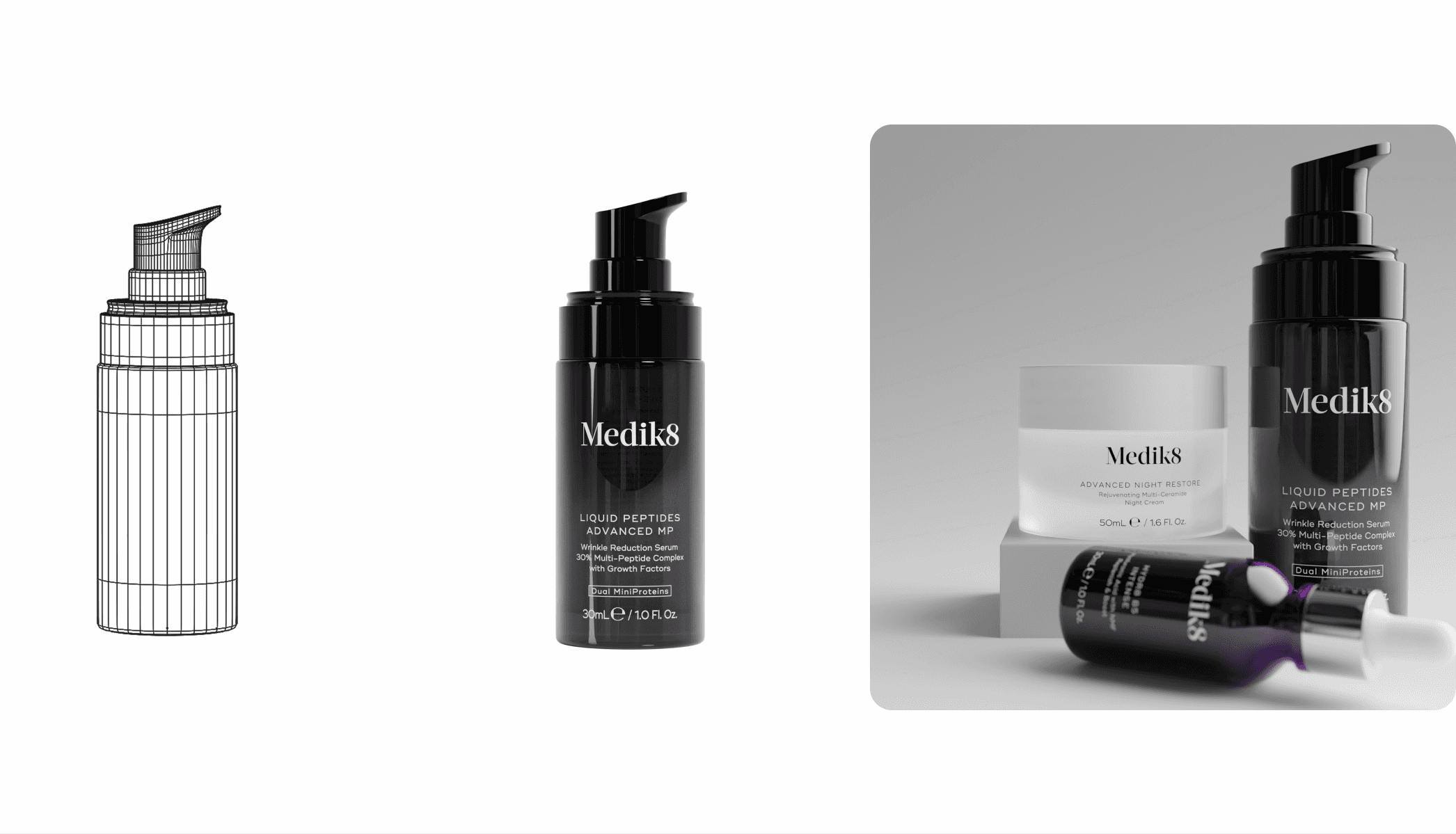
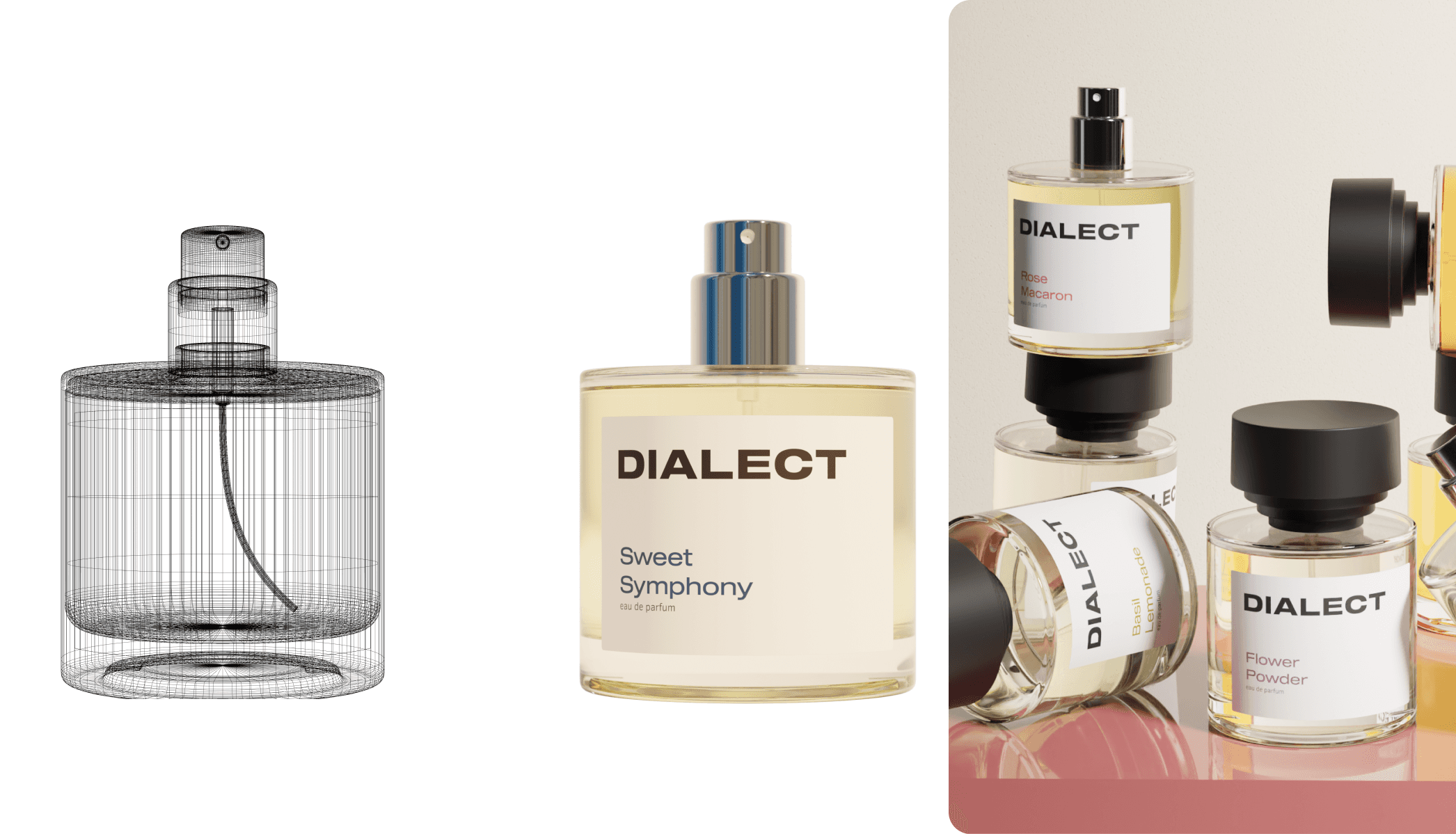
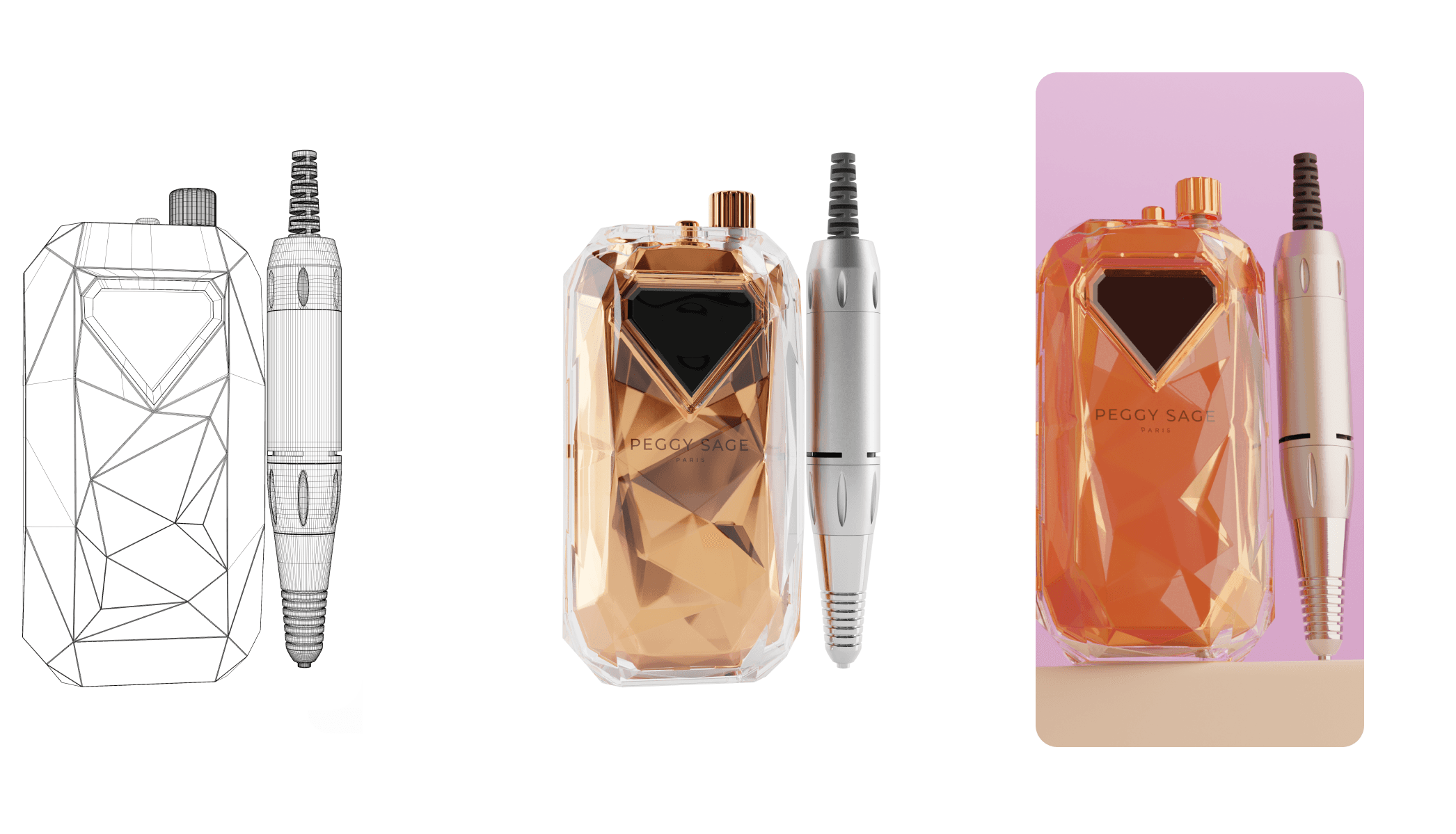
Enter Digital Twins: hyper realistic, pixel-perfect 3D replicas of products. Unlike traditional photography, these Digital Twins don’t exist in physical space, they live in pixels. They’re code. They’re geometry. But they are, in every way that matters to the customer, real.
This isn't just a cool new format. It's an entirely new paradigm for how brands create, customize, and scale product content across every channel.
Why it matters now
We’re not talking about distant, sci-fi potential. This is happening now. From startups to global giants, brands are already swapping out photo studios for virtual ones.
They're generating assets not in weeks but in minutes. They're delivering on-brand visuals at scale, adapting to trends in real-time, and doing it all without a camera in sight.
And perhaps most importantly - they’re doing it sustainably.
Digital twins aren’t just about looking good. They’re about working smarter, faster, cleaner.
Breaking it down: What exactly is a Digital Twin?
Let’s strip away the jargon.
A Digital Twin is a true-to-life, photorealistic 3D model of a physical product that mimics its real-world counterpart - not just in form but often in behavior and context.
It’s a living asset that:
Can be rotated, zoomed, re-lit, and re-contextualized in real-time,
Can be used across all channels: e-commerce, social media, CRM, packaging, print,
Can be updated instantly: colors changed, textures swapped, features added,
Can be customized to reflect brand identity with total consistency.
This is not another design file. It’s a creative engine.
The upside for marketers, creators, and brands
Let’s talk about the real-world gains. Here’s what digital twins unlock:
1. Faster Time to Market
Forget booking a studio. With a Digital Twin, a product can launch the moment it’s approved because the asset is already ready.
Need three variants for a seasonal drop? Done.
Need that same product in five lifestyle scenes for five different regions? Render it.
Need to go live globally tonight? Edit and export instantly.
Speed is no longer a bottleneck - it's a lever.
2. Unlimited Personalization
Personalized marketing works but traditional workflows can’t keep up with it.
With Digital Twins, brands can finally scale relevance. Show each customer a product in their context. Their home. Their style. Their language. Their light.
Not just personalized messaging - personalized visuals.
3. Omnichannel, One Asset
One asset. Infinite uses.
A single Digital Twin can be deployed across:
Shopify product pages
Packaging dev
Paid social ads
Email campaigns
Virtual showrooms
In-store displays
No need to recreate content for every format. Just adapt, export, deploy.
Consistency? Check. Efficiency? Double check.
4. Creative Freedom Unlocked
Want to place your new sneaker on the moon? Render it.
Want your perfume bottle in a Tokyo apartment at sunset? Done.
Want your energy drink exploding with neon fruit in zero gravity? Easy.
With Digital Twins, creative boundaries disappear but brand standards stay locked in.
Every material, color, logo, and lighting setup can flex to fit the concept without ever breaking consistency. Visuals stay bold, fast, and fully on-brand - no reshoots, no compromises.
5. Sustainability (That’s not just a buzzword)
Let’s be real: the traditional photoshoot is a carbon monster.
Sample shipping. Set design. Energy-heavy lighting. International teams flying in for a two-day shoot.
Digital Twins eliminate the need for most of it.
By going virtual-first, brands can reduce:
Physical waste
Travel emissions
Post-production rework
Overproduction from miscommunication between design and marketing
It’s greener. It’s leaner. It’s smarter business.
The role of AI: Supercharging the Digital Twin
Here’s where things get wild.
A Digital Twin is powerful on its own but paired with generative AI? That’s where things go exponential.
AI dynamically generates backgrounds, lighting, and camera angles. No studio required.
It transforms still twins into rich video content, motion loops, and dynamic scenes.
AI adapts props, templates, and color palettes to match your brand identity.
It powers interactive 3D experiences that bring textures, materials, and form to life.
This isn’t creative replacement, it’s creative augmentation.
The art director still matters. The brand voice still matters.
But the muscle work? The repetition? The endless, manual variations? That’s AI’s job now.
Breaking the silos: One continuous workflow
Here’s a subtle but seismic shift: with Digital Twins, teams don’t work in silos anymore. They work from a single source of truth.
A single Digital Twin connects every team - from design to delivery - updated once, deployed everywhere.
That means:
Full alignment between what’s built and what’s shown
Real-time visual updates when features or specs change
Faster, smoother product launches
No disconnect between design, brand, or channel teams
It’s not just a workflow. It’s a unified pipeline built for speed, accuracy, and collaboration.
The next era starts now
The question isn’t if digital twins will replace traditional product photography - the shift is already underway.
It's not a question of if you'll evolve - but how fast you can.
This is the new default.
Not a trend. A transformation.
Not a tool. A tectonic shift.
If your creative workflow still revolves around studios, shoots, and slow turnarounds - you’re not just spending more. You’re missing more.
It’s time to rethink how content is made.
It’s time to create at the speed of culture without compromising craft.
It’s time to step into a future where every product image is intelligent, adaptive, and born digital.
That future isn’t on the horizon, it’s already in motion.
Want to learn more on Digital Twins?
About the author